

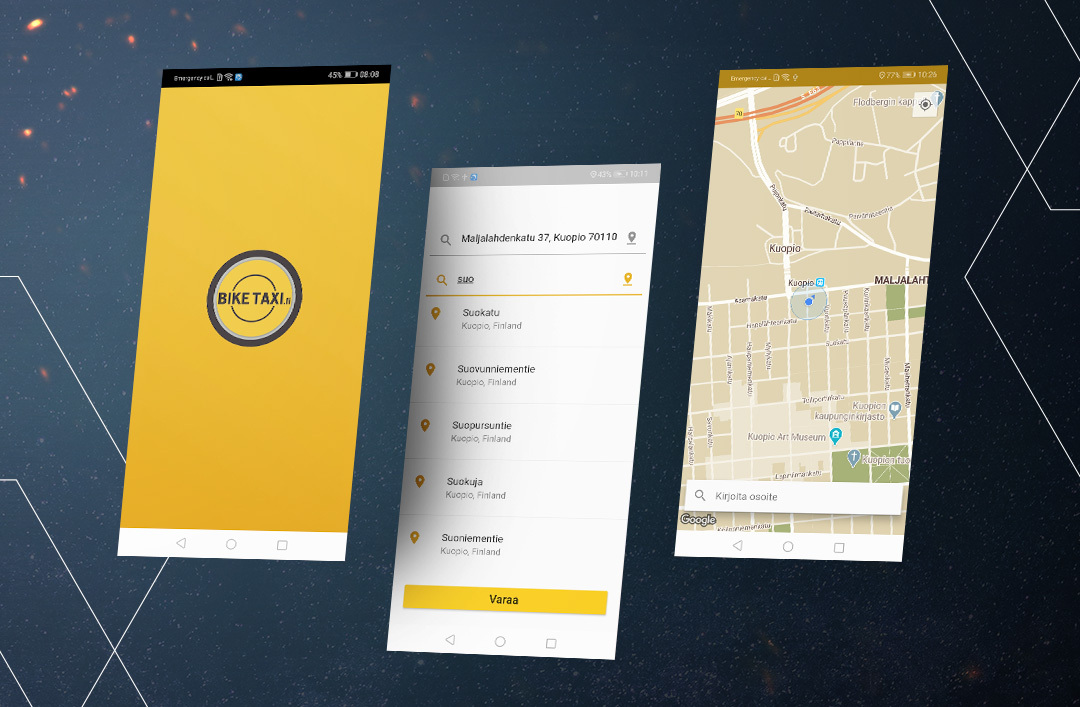
Flutter – Google’s alternative for mobile development
Flutter has rapidly emerged as a market leader alongside React Native, as well as a challenger to other cross-platform technologies and mobile development using native languages (e.g. Java).
Mobile apps built with Flutter are used by several well-known brands, including Google itself, BMW, eBay and many other major players. However, thanks to its user-centric approach and developer-friendliness, Flutter is also ideally suited to smaller markets and lighter implementations.
In this blog post, we’ve compiled our mobile developers’ thoughts on the opportunities offered by Flutter. Read on and discover a new, popular way to build mobile apps!
- Flutter has rapidly risen to become the market leader
- Flutter in a nutshell
- Apps for Android and iOS devices from a single source code
- The user interface is built into the application using widgets
- Efficient coding and improved performance
- Easy app maintenance without the need for third parties
- More Flutter apps!
Flutter has rapidly risen to become the market leader
Flutter has rapidly emerged as a market leader alongside React Native, as well as a challenger to other cross-platform technologies and mobile development using native languages (e.g. Java).
Mobile apps built with Flutter are used by several well-known brands, including Google itself, BMW, eBay and many other major players. However, thanks to its user-centric approach and developer-friendliness, Flutter is also ideally suited to smaller markets and lighter implementations.
In this blog post, we’ve compiled our mobile developers’ thoughts on the opportunities offered by Flutter. Read on and discover a new, popular way to build mobile apps!
Flutter in a nutshell
Flutter is a software development kit (SDK) developed by Google, which is suitable for creating modern, high-quality user interfaces for mobile, web and desktop applications.
Like React Native, Flutter is a free, open-source software framework that developers can customize to suit their own needs. Flutter’s developer community is already very large and highly regarded.
Flutter’s programming language is Dart, developed by Google, which is still a relatively new entrant in the field of software development. Dart is similar to programming languages such as Java and C#, and has been developed specifically to meet the needs of modern mobile app development.
Apps for Android and iOS devices from a single source code
The main benefit of Flutter is that a mobile app can be built from a single source code for both the Android and iOS operating systems. This speeds up development and frees up resources, as there is no need to write separate source code for different operating systems.
Flutter’s strengths include more consistent-looking user interfaces and more stable apps. When a mobile app’s user interface works the same way on both Android and iOS devices, less work is required during subsequent maintenance and further development phases.
Flutter is a highly adaptable, flexible and scalable technology for mobile app development, and using Flutter does not always require building a completely new app from scratch. An app built with Flutter can, for example, be developed in the Progressive Web App (PWA) style, the end product can be a hybrid app that incorporates some of the best features of both native and web apps, or a Flutter module can be added to a native app built for Android.
The user interface is built into the application using widgets
User interfaces built with Flutter are constructed using widgets – software components designed to group content according to a specific feature or purpose. The Flutter development environment comes with a number of widgets that are useful for developers.
Content placed within widgets – such as text, images, animations, augmented reality, element layouts and functionalities – is customized and combined to produce a cohesive, user-friendly and visually appealing application.
This component- and grouping-based development approach enables countless different combinations and styling options. Consequently, the client’s individual needs and desired features can be implemented without compromising on visual consistency or the clarity of functions.
Efficient coding and improved performance
With Flutter, mobile app development is faster than with many traditional methods. As Flutter compiles directly into native code, it also offers better performance than, for example, React Native.
A mobile developer coding native apps must first compile the entire app into a package suitable for the operating system, and only then can changes made to the code be evaluated within the app. With Flutter, previewing the code is faster, as the developer can use Flutter’s own “hot reload” feature, which allows the effects of code changes on the app’s user interface to be seen in real time.
Easy app maintenance without the need for third parties
There is no need to install, update or maintain separate add-on packages, as Flutter’s development environment is in itself highly versatile and comprehensive. The clearest benefit of a unified application package and the absence of add-ons is that the application is not dependent on third-party implementations.
The icing on the cake is Flutter’s extensive documentation. Good documentation is particularly beneficial when the programming language and development environment are still relatively new, and the developer community is actively involved in refining solutions and shaping new directions for development.
More Flutter apps!
We previously wrote a blog post about React Native (React Native – More efficient mobile development). Since then, Google has released Flutter, which has developed into a highly capable tool and a welcome alternative to React Native. If you’d like to find out more about Flutter and see various implementations, you can find Flutter’s informative pages here.
Different technologies each have their own merits. Flutter is particularly well-suited to projects where the performance of the end-user’s device may dictate the app’s development, the user interface needs to be concise and clear, and the graphical design meets the needs of modern mobile users.
We’d be happy to help you choose the most suitable development tools and packages to ensure that the mobile app built to support your business works exceptionally well, looks contemporary and is built in a modern and cost-effective way.
Get in touch and tell us what you’re looking for, and we’ll get our team to work on it!
Shall we get started?
"*" indicates required fields

You might also like these articles
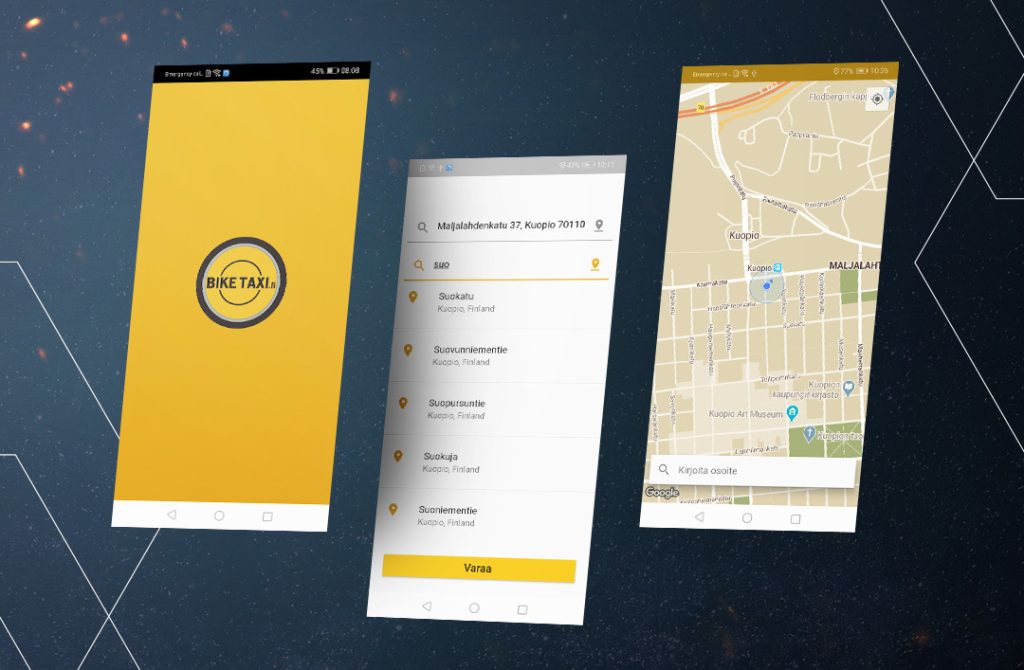
Flutter – Google’s alternative for mobile development
Read more
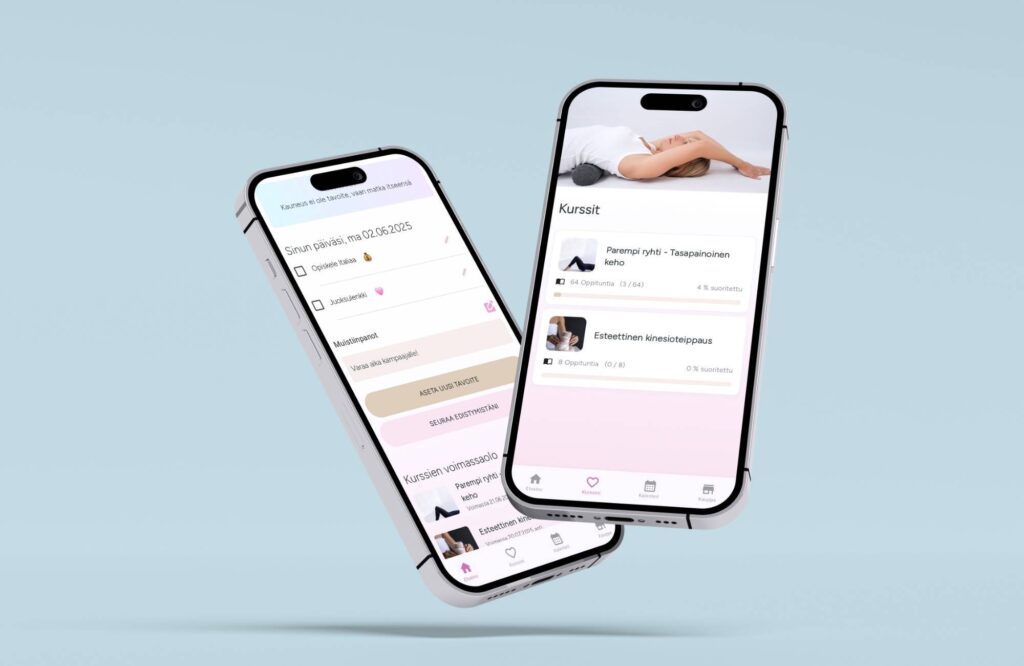
Mobile apps for businesses – cost and technologies
Read more
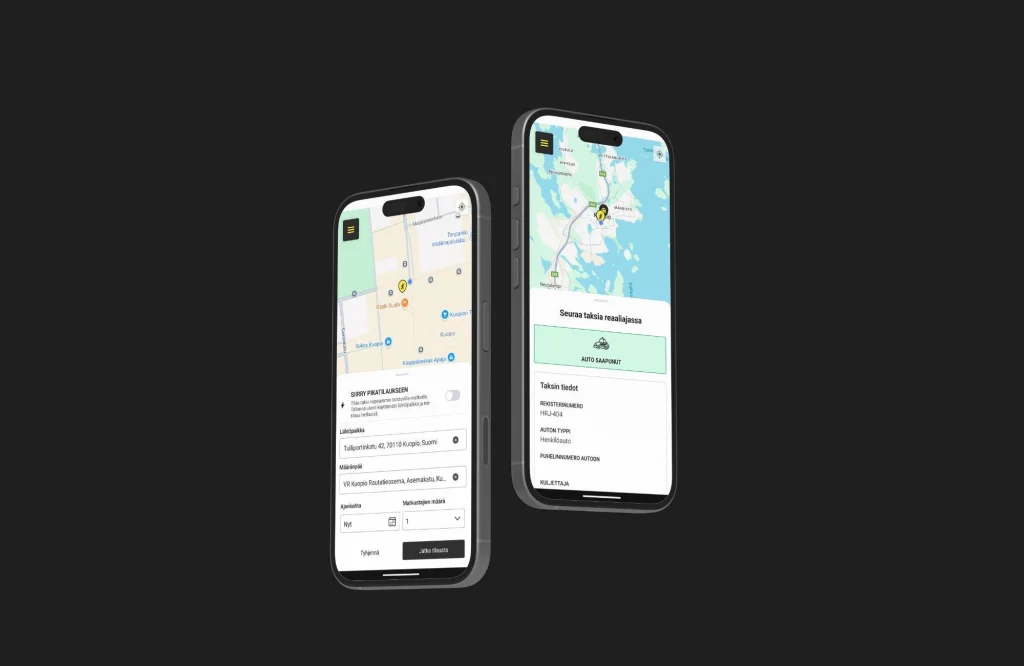
App development – modern methods deliver a competitive edge
Read more

No-code and low-code software development, as well as artificial intelligence, are streamlining application development
Read more
 How does UX affect the productivity of an online service?